COVID-19: Want to help fellow celiac families in need?

By Marie Ericson, Board Chair, Celiac Kids Connection
Originally Posted 3/17/2020 and updated 4/7/2020

During this difficult time there are ways you can help other families. Here are a few of the ways you can help:

  1. Donate gluten-free (GF) food items to the Gluten-Free Food Bank:
  • There will be a need for GF food items at local food pantries. Contact your local food pantry and ask what their needs are. They will let you know if you can donate GF items or grocery store gift cards which can be ordered on Amazon. They may be operating on a reduced schedule or have limited hours. So, be sure to call first.
  • Make a financial donation to the Gluten-Free Food Bank
  • Make a financial donation to the Greater Boston Food Bank or your local Food Bank
  1. Contact your local school food service administrator to see if any families in your area might need GF meals
  • Coordinate within your local school authorities to safely get the food to those in need. They may already have plans in place and need volunteers to help distribute meals using safe social distancing practices.
  • Contact your favorite GF, celiac safe restaurant and see if they can donate some meals or buy meals to be delivered to those in need.  Many restaurants are already doing this using safe no contact/curbside pick up or delivery.
  1. Any other ideas? Let us know!

If you need help, contact your local food pantry or school administration. Schools that get money from the USDA should have plans in place for families in need of food services that have special dietary restriction

From the Massachusetts Department of Elementary and Secondary Education, March 30, 2020: 

“There are over 1,000 meal sites open across the state. To find a site near you, please visit the Project Bread meal site finder online at https://meals4kids.org/schoolclosure or contact them by phone at 800-645-8333″

Keep your self and your family safe. If you have any questions, please contact us at CeliacKidsConnection@childrens.harvard.edu.

Being Prepared for COVID-19 with Celiac Disease

By Francie Kelley, Executive Director, Celiac Kids Connection

The emergency declarations, school closings and spread of COVID -19 has all of us asking questions. Celiac Kids Connection wants to make sure that you have the information you need.

There is great information out there. Boston Children’s Hospital has a number of resources available on its website. This includes information specific to children and includes a segment on how to talk to your children about the virus. The commonwealth of Massachusetts and the CDC also have great information.

Check out these resources
Boston Children’s Hospital
Commonwealth of Massachusetts
CDC

The most important advice we get from all sources is to wash our hands, avoid contact with those who are sick and to stay home when we are sick. We are also told to be prepared with 14 days of supplies in case we are quarantined.

For those with celiac disease, your food supplies should include an assortment of gluten-free (GF) food. You should also consider that if you find yourself in a situation where you are reliant on the Red Cross, National Guard or other emergency relief services, they may not be familiar with or prepared for your GF diet. Make sure you are taking care of your GF food needs.

Great options for GF supplies include
Canned meats
Beans
Tuna Beef jerky
Peanut Butter
Canned fruit Fruit
Powdered milk
GF Crackers
GF Cereal
GF Bars

When you cannot get to the store, on-line resources can help. Many local stores have services to order on-line for home delivery. Amazon has a lot of GF foods. Many of your favorite GF food manufactures also have programs for delivery directly from them. Be sure to explore these options.

Keep yourself and your family safe. If you have any questions, please contact us at CeliacKidsConnection@childrens.harvard.edu

Navigating Celiac at College

By Anna Cass and Jessica Cohen

Jessica Cohen and Anna Cass have teamed up to help you navigate celiac disease at college. Learn about Jessica and Anna. In the months to come we will be sharing our experiences with you.

My name is Jessica, and I live in Worcester, MA. I was diagnosed with celiac disease at the end of my freshman year of high school. Since I was diagnosed pretty recently, I am still acclimating to living gluten free. I like to think that I have gotten a handle on my celiac disease in my own city, but I know that moving from high school to college will be a big shift. My “college search”, already stressful, has the added weight of navigating celiac disease away from home.

There’s already so much to consider when looking at colleges, and adding dietary restrictions to that list can be overwhelming. I have found that going on college tours takes a lot of research on my part. Before ever stepping foot on the campus, I spend time on the school’s website. Things like where dining halls are located, how much storage the dorm rooms have, how the dining halls are set up, nearby stores and restaurants, and student testimonials can be incredibly helpful in imagining your future at a school. Once I am on the grounds, I ask the tour guide questions and pay attention to details around me. I have to balance evaluating the school with checking my research about the food options. The bottom line is that nobody knows your dietary needs better than yourself- you have to advocate and trust your instincts. 

My name is Anna, I attend college in Waltham, MA. I was diagnosed with celiac disease my sophomore year of high school, and experienced what Jessica is talking about while I was looking at colleges. I researched my college, I asked all the right questions, and I still ran into problems when I got to school. Mislabeling, not enough food options, and navigating food-centered social situations was overwhelming. I worked extensively with my dining hall, I advocated fiercely, and I communicated with my friends. Things were not easy, but I learned a lot about effective ways to solve these problems. I’m excited to share those solutions with you. I hope my experience will help others solve problems when they inevitably arise. As someone on the other side of the college admissions process, I can help you figure out what questions to ask before matriculating, and what to do once you’ve decided to enroll.

This process might feel overwhelming, and there are some things you might want to “just deal with when I get there”. Instead, I urge you to communicate with your school ahead of time and set yourself up for success.

We’re creating this blog to help you advocate for yourself and ultimately feel safe, comfortable, and welcome if you’re choosing to attend college. Celiac disease can be difficult to manage at times, but by no means should it prevent you from experiencing everything college has to offer.

Flour, Pasta, Pastes and Clay: Keeping Safe in School

By The Boston Children’s Hospital Celiac Team

Further research from Children’s National in Washington D.C. and Boston Children’s Hospital is providing more data regarding the risk of gluten exposure in schools. The recently released paper, “A Quantitative Assessment of Gluten Cross-contact in the School Environment for Children with Celiac Disease” in the Journal of Pediatric Gastroenterology and Nutrition helps to answer common questions about how to keep children who require gluten-free (GF) diets safe at school. Below, we review and summarize this important research and share our team’s recommendations based on this new information.

The authors tested four scenarios where it was thought that gluten transfer could be high enough to lead to cross-contact, resulting in a gluten-free food having a gluten concentration greater than 20 parts per million (ppm). This threshold was chosen because food containing less than 20 ppm (less than 0.002 percent gluten) is considered to be “gluten-free” by the U.S. Food and Drug Administration, and can be labelled “gluten-free” in the United States, Canada and the European Union. The scenarios tested were:

  • Playing with modeling clay: Play-doh contained over 32,000 ppm gluten, which is nearly as much as in wheat bread. Even when children did not wash their hands, there were no cases of gluten transfer from hands to a slice of GF bread resulting in a gluten concentration >20 ppm. In two cases, bread wiped on the table surface with visible contamination had gluten levels >20 ppm.
  • Sensory tables with dry and wet pasta: After children played with wet pasta in sensory tables, 9/10 children had visible contamination on their hands that transferred to GF bread resulting in a gluten concentration >20 ppm. The child who did not have any transfer did not like the feel of the pasta and had minimal contact. Playing with dry pasta did not produce detectable gluten transfer.
  • Papier mâché – All 10 children who used papier mâché had a significant amount of residue and transferred high amounts of gluten to GF bread.
  • Baking project: Thirty children rolled gluten-containing dough and cut out cookies on a surface dusted with gluten-containing flour. After washing hands with water, soap and water or wet wipes, gluten transfer from hands to a slice of gluten-free bread was detectable for 11/30 participants. Gluten transfer from the surface occurred more than 70% of the time, even after surfaces were washed.

Traditionally, we have made recommendations about avoiding cross-contact based on assumptions and expert opinion, but with very little actual data. This is the first study to examine common educational activities, and it provides useful data to help guide assessment of the risk of cross-contact and to advise our patients with celiac disease (CD).

We would like to share with you our recommendations based on this work.

Modeling Clay:

  • Children with CD (and others who follow a GF diet) should use GF modeling clays.
  • Play-doh brand modelling clay is wheat-based and contains significant amounts of gluten. It should not be eaten or played with by children who may eat the Play-doh, put their hands in their mouth or engage in other behaviors that put them at risk of ingestion.
  • When GF modelling clay is not available and children are not at risk of ingestion, play in a supervised setting with scrupulous cleaning of hands and surfaces to remove all visible contamination is likely to be safe.

Pasta:

  • Children with CD (and others who follow a GF diet) should use GF pasta for art and other classroom projects.
  • Gluten-containing dry pasta appears to pose a low risk unless there is oral exposure.
  • Gluten-containing wet pasta (e.g. sensory tables) tends to adhere to hands and other surfaces and poses a much higher risk of environmental contamination and gluten exposure than dry pasta.

Gluten-containing flour, powders and pastes:

  • Children with CD (and others who follow a GF diet) should only work with GF flours, powders and pastes (such as papier mâché)
  • In classroom environments, there is a risk if gluten flours are used. This risk is related to aerosolization of flour, spread of flour dust, residual flour when surfaces are not cleaned adequately, and unanticipated contact (e.g., spills, food fights).
  • Use of gluten-containing liquids (e.g., pancake mix) or wet pastes is a risk for gluten contamination because it can be difficult to remove all traces of gluten from hands and work surfaces.

It is important to recognize that handwashing and environmental decontamination practices are highly variable, particularly among children and in busy classroom environments. While thorough cleaning procedures are effective for removing gluten from most surfaces, it may be challenging to ensure that these occur consistently.  As well, it is important to consider the developmental stage of the individual child and how this might affect their exposure risk.  For example, some children suck their thumb or put their hands or other objects (including Play-doh) in their mouth.

  • Surfaces should be cleaned adequately before a child with CD works in an environment where wheat flour or wet gluten-containing materials have been used.
  • Adequate supervision is essential when gluten-containing materials are being used in the classroom setting.
  • Hand washing is important.
  • Food should never be eaten if there is visible contamination on hands, surfaces or the food itself.

Clear communication with daycare or school regarding CD, including the need for a GF diet and maintenance of a safe environment, is crucial. In addition to these conversations, a formal 504 plan or Individual Health Plan (IHP) may be helpful for the student with CD.

Article Link

The Boston Children’s Hospital Celiac Team:
Janis Arnold, LICSW
Sophie Burge MS, RDN, LD
Alan Leichtner, MD
Tara McCarthy, MS, RDN
Randi Pleskow, MD
Jocelyn Silvester, MD PhD
Dascha C. Weir, MD
Sharon Weston, MS RD, LDN

GluTeen Free: New Year New Blogger – How I Stay Gluten-Free While Playing Sports

By Abby Baird

I’m Abby B, a 10th grader who has had celiac disease for two years. I play multiple sports and go to a small private Christian school. I got diagnosed with celiac disease when I was in 8th grade and have had it for almost two years now. Since I go to such a small school I am the only one in the high school that has celiac disease and the only one who must eat strictly gluten-free, which is hard because many people and teachers don’t know or remember that I am gluten-free.

One thing that is especially hard is doing sports and having celiac disease. I play all three seasons of sports that my school has to offer and most of the time we are playing schools that are farther away.  This means, often we will stop for dinner or will need food to get through the game. One of my favorite protein bars that I always keep in my sports bag is the dark chocolate peanut butter Nature Valley protein bar. Another tip besides always carrying your own a protein bar is when your season starts, talk to your coach.

Now unless your coach is a superhero they will probably forget that you have a dietary restriction and not always take that into account, so one thing that I have found helpful is to also tell your teammates. More often than not they will end up being the people who remember and when you have team dinners and such, they will make sure you can eat food and not forget about you.

Lastly, when you are playing sports it is super important to have a balanced diet.  Many teams achieve this by a pasta party the night before a game.  In those cases, I either bring my own pasta, or ask the host to supply gluten free pasta.  But one thing that I struggled with was bringing my own food to events, or asking them to make special food, because I thought it was weird. But like I already said telling your teammates is often the best solution. Your teammates will understand that you have to bring your own food, and it’s not the end of the world, staying healthy is more important.

Celiac disease isn’t easy. It can be awkward to correct people, or to always ask be that one person that needs special food. Hopefully, through this blog it will become a little easier to manage!

Are your gluten-free toasters toast?

By The Boston Children’s Hospital Celiac Team

The latest research out of Children’s National in Washington D.C. and Boston Children’s Hospital is stirring up the gluten-free community.

The recently released paper, “Preparation of gluten-free foods alongside gluten-containing food may not always be as risky for some celiac patients as diet guides suggest”*(foot note reference below) has led to a lot of discussion in the Boston Children’s Hospital celiac disease team and beyond. We wanted to review and summarize this important research and share our team’s recommendations based on this new information.

The authors tested three scenarios where it was thought that gluten transfer could be high enough to lead to cross-contact, resulting in a gluten-free food having a gluten concentration greater than 20 ppm. This threshold was chosen because food containing less than 20 ppm (less than 0.002 percent gluten) is considered to be “gluten-free” by the U.S. Food and Drug Administration, and products containing less than 20 ppm gluten can be labelled “gluten-free” in the United States, Canada and the European Union. The scenarios tested were:

  • Cutting cupcakes with a shared knife: Gluten levels were below 20 ppm in most cases when a knife used to cut frosted gluten-containing cupcakes was then used to cut gluten-free cupcakes. There was no detectable gluten transfer when the knife was washed before cutting the gluten-free cupcakes.
  • Cooking pasta: There was significant gluten transfer (up to 115 ppm) when gluten-free pasta was cooked in water used to cook gluten-containing pasta. The amount of gluten was reduced if the gluten-free pasta was rinsed under tap water for 30 seconds. Rinsing the pot with water and then cooking gluten-free pasta in fresh water reduced the gluten content to undetectable.
  • Toasting bread: Gluten levels were <20 ppm for all 40 slices of gluten-free bread toasted in the same toaster as gluten-containing bread, even when visible crumbs were present at the bottom of the toaster.

 We have long made recommendations about avoiding cross-contact based on assumptions and expert opinion, with very little actual data. This is the first study to examine common practices when gluten-free food is prepared in the same kitchen as gluten-containing food.  It is valuable to now have more data to help guide assessment of risk of cross-contact and to advise our patients with celiac disease.

Some of the results were anticipated and some were surprises. For example, one of the “hotter” issues brought up by this study is suggested by the title of this newsletter article: toasters.  You likely have a designated GF toaster at home already because classic teaching for decades has recommended having one.  However, this is the first study to investigate gluten cross-contact in toasters, and having a dedicated toaster is probably not as crucial as we previously thought.

Our team’s recommendation is to continue to emphasize/focus on the importance of avoiding gluten and limiting risk whenever possible, but not to the extent that gluten avoidance leads to excessive or unnecessary anxiety or severely limits patient and family activities. This study is a reminder that we need to continue to shift the conversation to think about food choices and activities based on risk.  Understanding which choices are higher risk and which choices are lower risk is important and context-dependent. Following a gluten-free diet is less about following strict rules and more about evaluating risk to make the best choice among the options available at a given meal.

Our take away messages from this study include:

  • Products with visible contamination or gluten-containing ingredients should NEVER be eaten.
  • If using the same knife with GF and gluten-containing foods, wash the knife before contact with the GF items. Do not use a knife with visible contamination.
  • When cooking or preparing foods that are both gluten-containing and gluten-free, try to prepare the gluten-free item first and set aside away from the preparation area of the gluten-containing foods.
  • Gluten-free pasta should not be cooked in water that has already been used to cook gluten-containing pasta.
  • This study suggested that rinsing GF pasta after it was cooked in shared water may reduce gluten content. However, we do NOT recommend this rinsing-only protocol. Fresh clean water should be used to cook gluten-free pasta.
  • It is important to ask at restaurants how they cook and heat up gluten-free pasta to ensure they are not using the same water used to prepare gluten-containing pasta.
  • Cooking GF pasta in the same pot you have cooked gluten-containing pasta in is safe – as long as you have washed the pot and use fresh water.
  • This helps us answer the frequently asked question, “Do we need separate pots and pans?” The answer is no – as long as you wash items in between use so that there is no visible food residue.
  • We do not have data about the use of shared colanders/pasta strainers. At this time, we continue to recommend that you get a separate colander for GF pasta given the difficulties in effectively cleaning colanders and the increased risk of gluten transfer.
  • While a dedicated GF toaster is not mandatory, you still need to avoid visible contamination. You may decide that a separate toaster is best for your family. Conversely, you are not neglectful if you choose to use a shared toaster. This may come in handy when you are travelling or when at an occasional sleepover.

As ever, ongoing evaluation of overall risk with your medical team, thinking through the collective risk of the choices you make, is the best treatment for celiac disease.

We are happy to share the latest information and are always here to answer questions and concerns. It is important to follow up with your GI provider and dietitian at least once a year to review your current practices and to learn what has changed over the last year in your life as well as advances in celiac disease research.

* Article Link

The Boston Children’s Hospital Celiac Team:
Janis Arnold, LICSW
Sophie Burge MS, RDN, LD
Alan Leichtner, MD
Tara McCarthy, MS, RDN
Randi Pleskow, MD
Jocelyn Silvester, MD PhD
Dascha C. Weir, MD


Candy List Updated for 2019

Celiac Kids Connection's annual candy list has been updated for 2019.

Just in time for Halloween and the holiday season, you can view the list on our website or download and print a copy. All of the candies on our list include contact information for the manufacturer. Remember, ingredients are subject to change and you should rely on the ingredient list on the product you are purchasing.

Check out the list.

Eco-Friendly Straws and Gluten

By Francie Kelley, Executive Director, Celiac Kids Connection

For those with celiac disease (CD) the current movement against plastic straws could have some unintended consequences.

One of our members, Julia, recently found herself in café with friends. They ordered smoothies. The kids got their drinks first and Julia was surprised that the kids were eating the straws. To her horror she learnt that these were pasta straws; made from wheat pasta. Luckily, she had time to change her order to – No Straw.

All of us are concerned with the health of our planet. Anytime we can do something to reduce waste or use more environmentally friendly products; it is a GOOD THING. But a number of the newer non-plastic straws are made from gluten containing products. Those of us with CD or non-celiac gluten sensitivity (NCGS) need to know not only the ingredients of the drink but also the ingredients of the straw that is served with the drink.

Common use of straws came about in the 1800s and the straws were actually made of straw. They were stalks of rye. The rye broke down in the drink adding a gritty sediment and in 1888 the paraffin coated paper straw was patented. During the 1960s the more durable plastic straws began to be used. By the mid-1970s, they completely replaced paper straws.

Today there are concerns about the amount of plastics in our oceans and that plastic straws are difficult to recycle. There is a move to eliminate plastic straws and replace them with more environmentally friendly materials. These materials include gluten-free options like stainless steel, glass, silicone and paper. But, there are also straws made from materials that contain gluten. These include

  • Straw straws; the most common is made from wheat stems
  • Pasta straws
What is someone with CD or NCGS to do?
  1. Limit your use of straws – A lot of the time you do not really need the straw. Think first and if you do not need a straw ask for your drink to be served without one.
  1. Make sure you know the ingredients of the straw – When you order a drink, ask what type and what brand of straws are being used. This will allow you to verify the straws ingredients and ensure its gluten-free status.
  1. Bring your own straw – there are a lot of reusable straws available for sale. This is a great option for a kid who does not want to stand out from their friends by asking about the type of straw being used. You can be one the “cool kids” who brings a reusable straw.
  1. Be vigilant – Straws are likely the tip of the iceberg. We are starting see a push for more eco-friendly tableware products. There are “natural” options to replace plastic plates, cups and even napkins. Often these products have a gluten containing component.

Summer Fun at the NE Revolution

By Francie Kelley, Executive Director, Celiac Kids Connection, Boston Children’s Hospital

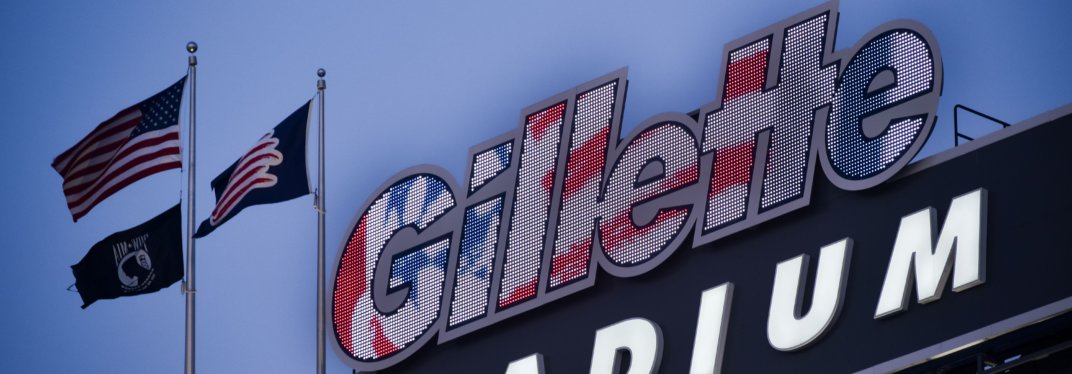
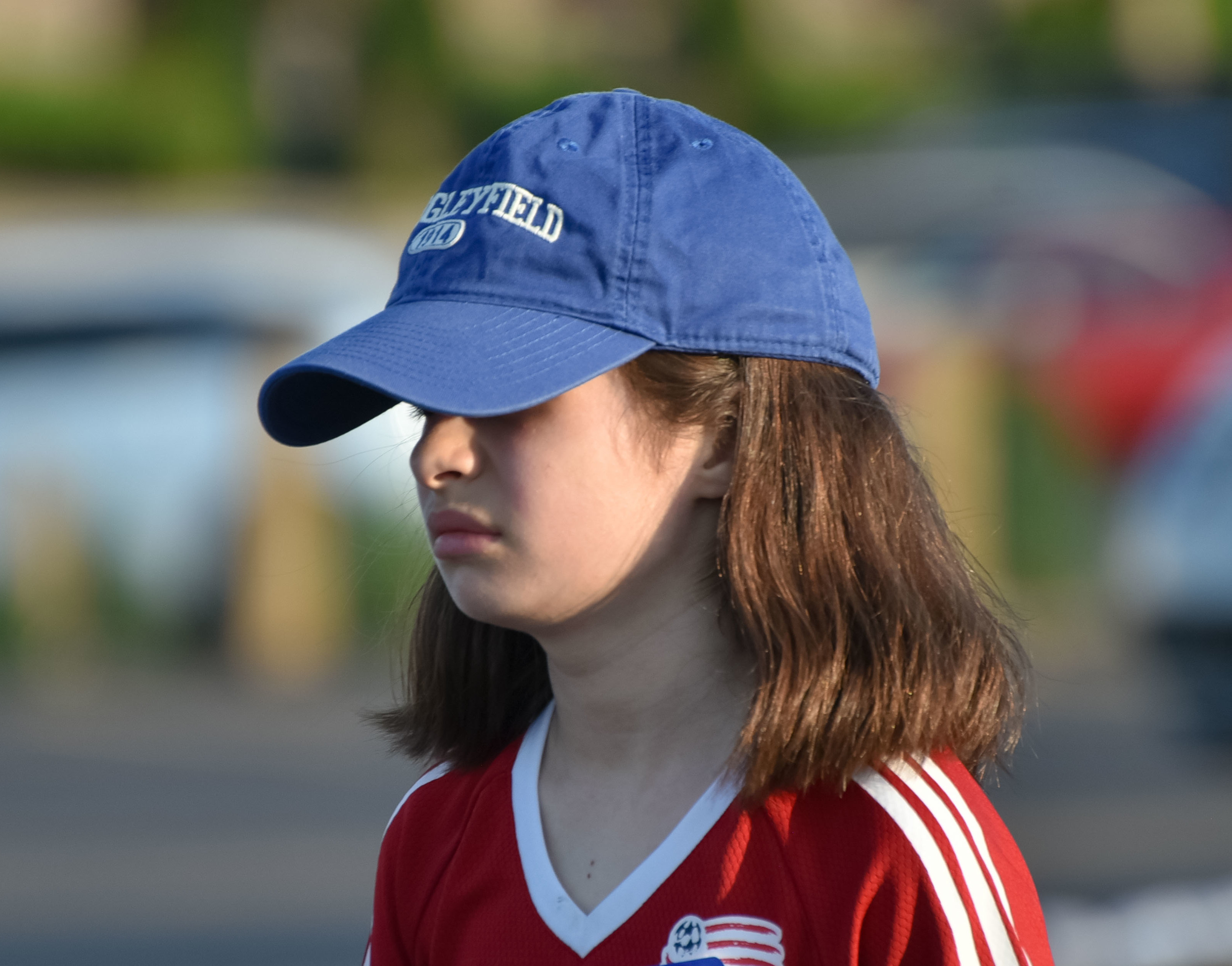
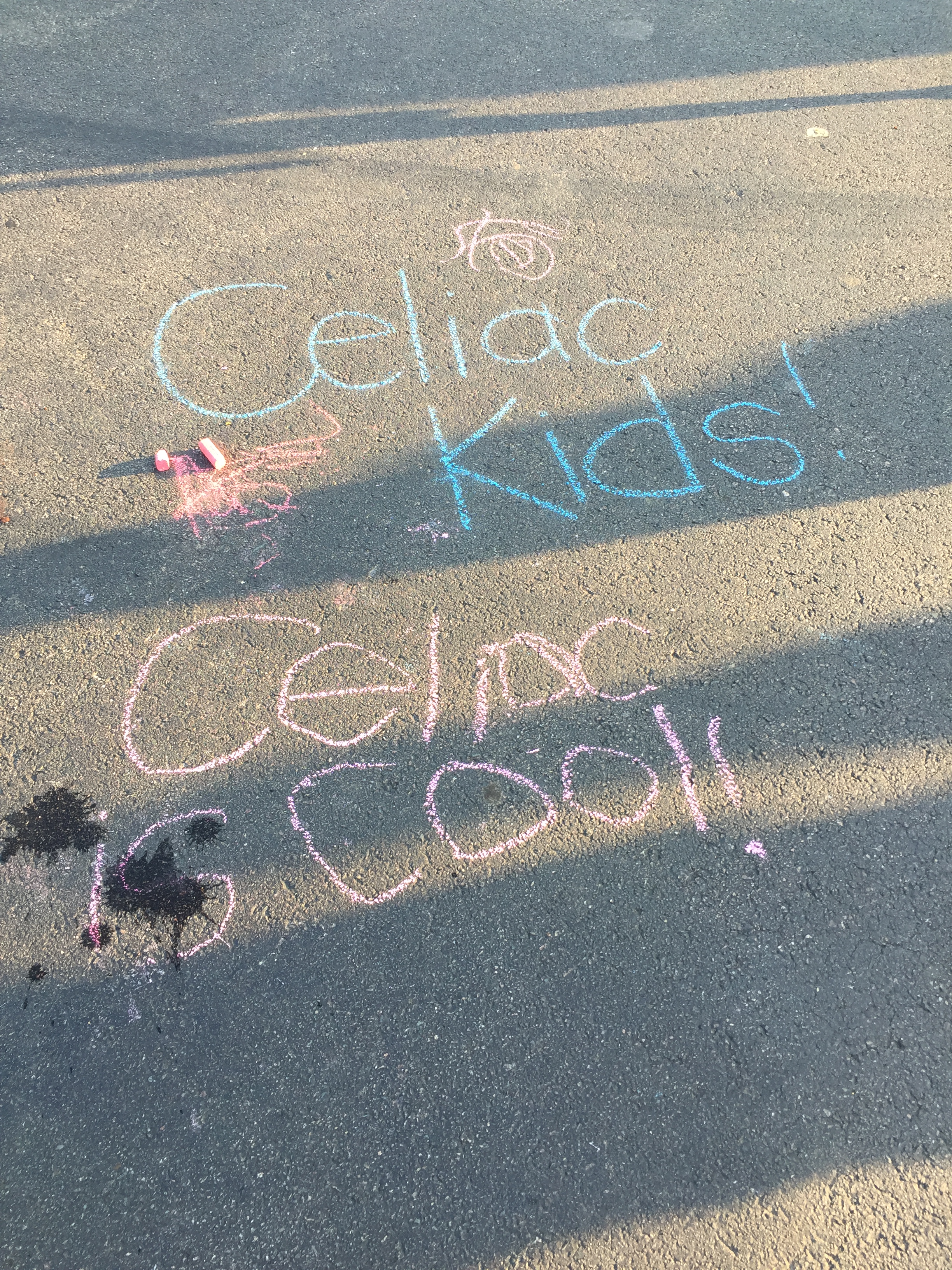
On June 30th we gathered at Gillette Stadium in Foxborough for our summer social event. We started with at tailgate party; braving the 90+ degree heat. We managed to stay comfortable. The kids (and some adults) played with bubbles, sidewalk chalk, kites and of course we kicked soccer balls around. We enjoyed each other’s company and delicious sandwiches and treats from Twist Bakery and Café.

After the tailgate we went to the stadium for the NE Revolution vs. DC United game. We had great seats and were all together for the game. The game was exciting and the home team prevailed. The score was close throughout the match. NE won by just one point with a final score of 3 – 2.

Soccer is a great family activity and this close game was a lot of fun. The tailgate aspect of the event meant we had complete control over the food, eliminating any worries about keeping everything gluten-free. I hope everyone enjoyed the evening as much as I did.